Simple Baked Salmon and Asparagus: Zesty Garlic Butter
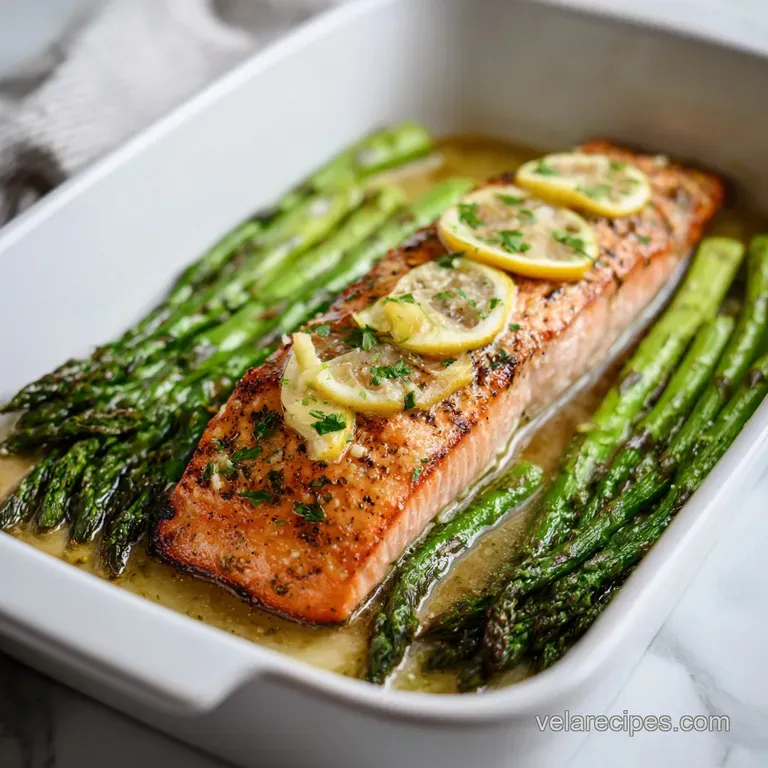
- Time:10 minutes prep + 12 minutes cook = 22 minutes total
- Flavor/Texture Hook: Zesty garlic butter with a crisp tender snap
- Perfect for: Stress free weeknight dinner and healthy meal prep
- Quick One Pan Simple Baked Salmon and Asparagus
- Why the High Heat Works
- Critical Success Checkpoints
- Sourcing Your Fresh Components
- Tools for Minimal Cleanup
- Step By Step Roasting Flow
- Solving Common Texture Issues
- Adjusting for Your Family Size
- Common Misconceptions About Salmon
- Saving and Reviving Leftovers
- Serving Ideas for Dinner Success
- Recipe FAQs
- 📝 Recipe Card
Quick One Pan Simple Baked Salmon and Asparagus
The clock hits 5:30 PM, the kids are asking about snacks for the third time, and the "dinner rush" is officially in full swing. I used to panic at this hour, but then I discovered the magic of the sheet pan. There is something so incredibly grounding about the scent of fresh lemon and minced garlic hitting a hot pan.
It’s a sensory signal that the day is winding down and a joyful, comforting meal is only minutes away.
When you slide this tray into the oven, the first thing you’ll notice is that specific sizzle as the moisture in the vegetables meets the heat. Within ten minutes, your entire kitchen smells like a high end bistro, but you’re likely still in your leggings, and that is exactly how it should be.
We are aiming for efficiency without sacrificing that "wow" factor that comes from a perfectly cooked piece of fish.
This simple baked salmon and asparagus has become my go to when I want to feel like a pro without actually doing much work. It's about letting the ingredients do the heavy lifting.
The salmon stays moist under its lemon butter blanket, and the asparagus transforms into something almost snackable with its salty, roasted edges. You don't need a culinary degree for this; you just need a hot oven and twenty two minutes of your life.
Why the High Heat Works
Understanding how your oven interacts with these two specific ingredients is the secret to moving from "okay" dinner to a "please make this again" request.
- Thermal Balance: By roasting at 400°F (200°C), we ensure the asparagus fibers soften while the tips get a signature roast shatter, all while the salmon proteins coagulate slowly enough to remain velvety.
- Basting Shield: The garlic butter mixture creates a protective fat barrier on the salmon, preventing the dry air from sapping the moisture out of the delicate flakes.
- Steam Trapping: Placing lemon slices directly on the fish creates a localized steam environment, gently "poaching" the top layer while the bottom roasts against the pan.
- Maillard Magic: Even at a relatively short 12 minutes, the natural sugars in the garlic and lemon juice begin to caramelize against the heat of the rimmed baking sheet.
| Method | Cook Time | Texture Outcome | Best For |
|---|---|---|---|
| Sheet Pan | 12 minutes | Crispy tips, flaky fish | Minimal cleanup |
| Stovetop Sear | 8 minutes | Very crispy skin, soft veg | Small portions |
| Foil Packets | 15 minutes | Steamed, ultra moist | Mess free prep |
The choice of method really depends on how much you value that roasted "crunch" on your greens. For this simple baked salmon and asparagus, the open air sheet pan method is king because it allows moisture to evaporate rather than trapping it, which prevents the asparagus from getting mushy.
Critical Success Checkpoints
To ensure your dinner hits the mark every single time, I've narrowed down the three non negotiable markers for this dish.
| Component | Science Role | Pro Secret |
|---|---|---|
| Salmon Fillets | Protein Structure | Pat dry with paper towels to ensure the butter sticks rather than sliding off. |
| Lemon Juice | Acid Denaturation | Brightens the fat in the butter and prevents the "fishy" scent from lingering. |
| Fresh Asparagus | Cellulose Fiber | Trim at the natural breaking point to avoid woody, stringy bites. |
Roasting veggies and fish together is all about timing. If your asparagus stalks are as thick as your thumb, they might need a two minute head start in the oven before you add the fish.
If they are thin as pencils, they’ll be done exactly when the salmon hits that magical 145°F (63°C) mark.
Sourcing Your Fresh Components
The star of this show is undoubtedly the lemon. While we think of it as a flavor, it's actually the structural engineer of the dish. The citric acid works to break down the tough fibers in the asparagus while simultaneously cutting through the rich, healthy fats of the salmon.
Using bottled juice here is a mistake I've made on a tired Monday don't do it. The fresh zest and juice provide a vibrant, "clean" taste that a bottle just can't replicate.
- 2 Salmon Fillets (6 oz each): Look for center cut pieces with an even thickness so they cook at the same rate.
- Substitute: Rainbow trout or Arctic char. Why this? They have a similar fat content and cook time.
- 1 lb Fresh Asparagus: Choose bright green stalks with tight, closed tips.
- Substitute: Broccolini or thin green beans. Why this? These veggies roast at a similar rate to asparagus.
- 2 tbsp Unsalted Butter: This provides the "velvety" mouthfeel we want.
- Substitute: Ghee or additional olive oil. Why this? Ghee has a higher smoke point but keeps the buttery flavor.
- 2 Cloves Garlic: Freshly minced is better than the pre jarred stuff for roasting.
- Substitute: 0.5 tsp garlic powder. Why this? Good for even distribution if you're in a massive rush.
- 1 tbsp Lemon Juice: The essential brightener.
- Substitute: White wine or lime juice. Why this? Adds the necessary acidity to balance the oils.
- 5 Lemon Slices: For visual appeal and functional steaming.
- 1 tbsp Olive Oil: For tossing the asparagus.
- Kosher Salt and Pepper: The basics that make everything pop.
Tools for Minimal Cleanup
You really don't need much for this, which is why I love it for the dinner rush. A standard rimmed baking sheet (about 13x18 inches) is perfect. I always suggest lining it with parchment paper or a silicone mat.
This isn't just about sticking; it's about that glorious moment after dinner when you just throw the paper away and the pan is basically clean.
You’ll also want a small whisk or even just a fork to combine your garlic butter. If you have a digital meat thermometer, now is the time to pull it out. It’s the only way to be 100% sure your salmon is cooked through without cutting into it and letting those precious juices escape.
step-by-step Roasting Flow
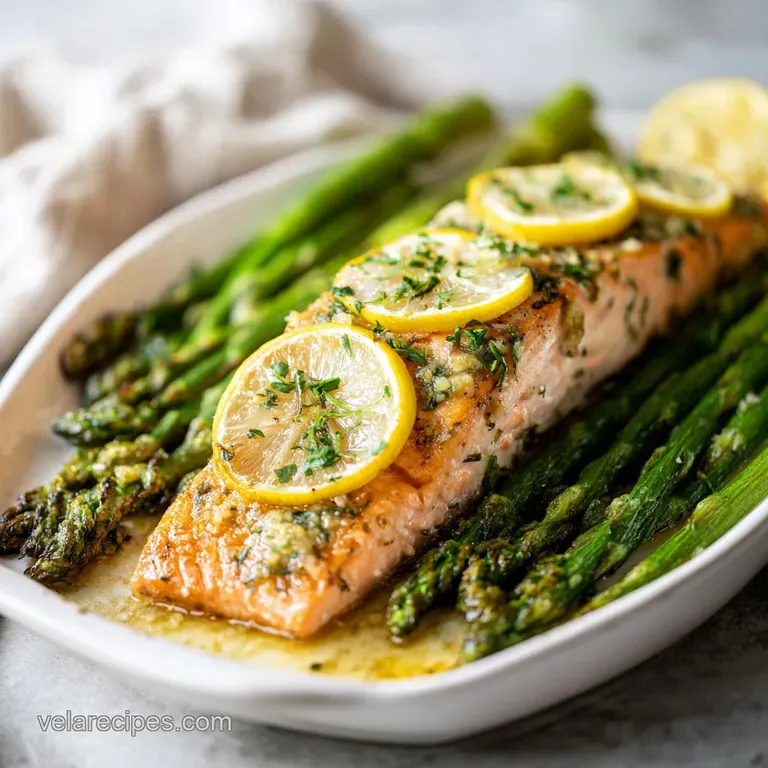
- Preheat and Prep. Set your oven to 400°F (200°C) and line your baking sheet with parchment paper. Note: A hot oven is the only way to avoid soggy greens.
- Trim the Greens. Snap the woody ends off your 1 lb of asparagus. Until they break naturally at the point where the stalk becomes tender.
- Season the Base. Place the asparagus on the pan, drizzle with 1 tbsp olive oil, and sprinkle with 0.5 tsp salt and 0.25 tsp pepper.
- Position the Fish. Pat the 2 salmon fillets dry and nestle them skin side down in the center. Note: Drying the skin helps it release from the paper later.
- Mix the Baste. In a small bowl, whisk 2 tbsp melted butter, 2 minced garlic cloves, and 1 tbsp lemon juice.
- Apply the Flavor. Brush half the butter mixture onto the salmon and drizzle the rest over the asparagus.
- Add the Aromatics. Arrange the 5 lemon slices over the fillets and the veggies.
- The Roasting Stage. Slide the pan into the oven and roast for exactly 12 minutes.
- Check for Doneness. Cook until the salmon is opaque and reaches an internal temperature of 145°F (63°C).
- Final Rest. Let the pan sit for 2 minutes before serving to allow the juices to redistribute.
Solving Common Texture Issues
Even with a recipe this straightforward, things can go sideways if the heat isn't managed or the prep is rushed.
Why Your Asparagus Is Soggy
This usually happens if the vegetables are crowded or if they were still wet from washing when they went into the oven. When veggies are too close together, they steam each other instead of roasting.
| Problem | Root Cause | Solution |
|---|---|---|
| Mushy Asparagus | Overcrowding the pan | Use a larger sheet pan or two smaller ones. |
| Dry, Chalky Salmon | Cooked too long | Pull the fish at 140°F; carryover heat will finish it. |
| Burnt Garlic | Minced too fine | Leave garlic in slightly larger "rustic" bits for roasting. |
Common Mistakes Checklist
- ✓ Always pat the salmon dry with a paper towel; moisture is the enemy of a good roast.
- ✓ Ensure the oven is fully preheated to 400°F before the pan goes in.
- ✓ Don't skip the lemon slices; they act as a heat shield for the fish.
- ✓ Trim more of the asparagus end than you think no one likes a woody bite.
- ✓ Use a rimmed baking sheet to catch the butter and juices.
Adjusting for Your Family Size
Scaling this simple baked salmon and asparagus is quite easy because it’s a modular meal. If you are cooking for one, simply halve everything and use a smaller toaster oven tray. The cook time remains the same because the thickness of the fish doesn't change even if you have fewer pieces.
For a larger crowd of 4 to 6 people, you will need to use two separate baking sheets. Do not try to cram everything onto one pan, or you will end up with a soggy mess. When using two pans, rotate them halfway through the 12 minutes (move the top one to the bottom rack and vice versa) to ensure even browning.
If you’re doubling the recipe, I usually suggest only using 1.5x the salt and spices to start it’s easier to add more at the table than to fix an oversalted fish.
Common Misconceptions About Salmon
One major myth is that the white stuff (albumin) that sometimes seeps out of salmon means it’s bad or "low quality." In reality, that’s just a protein that gets pushed out when the muscle fibers contract too quickly.
Roasting at 400°F (200°C) helps minimize this compared to over high heat pan searing.
Another myth is that you must flip the salmon halfway through. Please don't! Flipping the fish in the oven usually results in the fillets breaking apart or the skin sticking. Leaving it skin side down for the full 12 minutes protects the flesh and keeps it tender.
Finally, "fresh is always better than frozen" isn't necessarily true. high-quality flash frozen salmon is often "fresher" than "fresh" fish that has been sitting in a display case for three days.
Saving and Reviving Leftovers
Store any leftover simple baked salmon and asparagus in an airtight glass container in the fridge for up to 2 days. I don't recommend freezing this dish once it’s cooked; the asparagus loses its structural integrity and becomes quite watery upon thawing.
When reheating, avoid the microwave if possible. It turns salmon into a rubbery texture. Instead, place the leftovers back on a baking sheet, cover loosely with foil to prevent drying, and warm in a 300°F (150°C) oven for about 8 to 10 minutes.
For a zero waste tip, if you have just a little bit of salmon left, flake it cold into a salad or mix it with some Greek yogurt and dill for a quick salmon salad sandwich the next day. The leftover asparagus can be chopped up and tossed into an omelet for a fancy feeling breakfast.
Serving Ideas for Dinner Success
While this is a complete meal on its own, sometimes you want a bit more "bulk" on the plate. I love serving this alongside some quick cooking couscous or a pile of buttery mashed potatoes. The garlic butter from the pan makes an incredible sauce that you can drizzle over whatever starch you choose.
If you want to keep it low carb, a simple arugula salad with a balsamic glaze provides a nice peppery contrast to the rich salmon. If you're feeling adventurous, try the "Mediterranean Twist" by adding a handful of cherry tomatoes and some kalamata olives to the sheet pan before roasting.
They’ll burst in the oven and create a natural sauce that marries perfectly with the lemon and garlic. Whatever you choose, the beauty of this dish is its simplicity so don't overthink it! Just get it on the table and enjoy the quiet that comes with a satisfied family.
Recipe FAQs
Can you cook salmon and asparagus at the same time?
Yes, they are the perfect pair for a one-pan meal. By roasting them together at 400°F for 12 minutes, the salmon stays moist while the asparagus achieves a tender crisp texture.
Is it better to cook salmon at 350 or 400 in the oven?
400°F is the superior choice. This temperature ensures the salmon cooks quickly and evenly within 12 minutes while allowing the asparagus to roast rather than steam.
How to cook salmon for a diabetic?
Focus on healthy fats and portion control using this specific method. Roast the salmon and asparagus with olive oil, garlic, and lemon juice to create a flavorful, low-carbohydrate meal that fits well within blood sugar management goals.
How long does it take for asparagus to cook in the oven at 350 degrees?
Avoid using 350°F, as it takes significantly longer and risks mushy results. For the best texture, follow the recipe by roasting at 400°F for exactly 12 minutes.
Is it true I must cook the asparagus longer than the salmon?
No, this is a common misconception. When you trim the woody ends properly, 12 minutes at 400°F is the perfect window to cook both the fish and the vegetables to perfection simultaneously.
How to prevent the salmon from drying out?
Pat the fillets dry with paper towels before seasoning and use lemon slices on top. These slices act as a protective heat shield, keeping the fish succulent while it roasts.
How to ensure the asparagus isn't woody?
Snap the ends off at the point where the stalk breaks naturally. Removing the tough, fibrous portion of the stem before roasting is the only way to ensure every bite of asparagus is tender.
Simple Baked Salmon And Asparagus
Ingredients:
Instructions:
Nutrition Facts:
| Calories | 561 kcal |
|---|---|
| Protein | 39.4 g |
| Fat | 40.2 g |
| Carbs | 9.8 g |
| Fiber | 4.8 g |
| Sugar | 2.1 g |
| Sodium | 485 mg |
