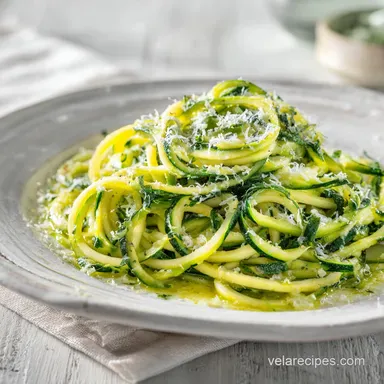
Garlic Butter Zucchini Noodles
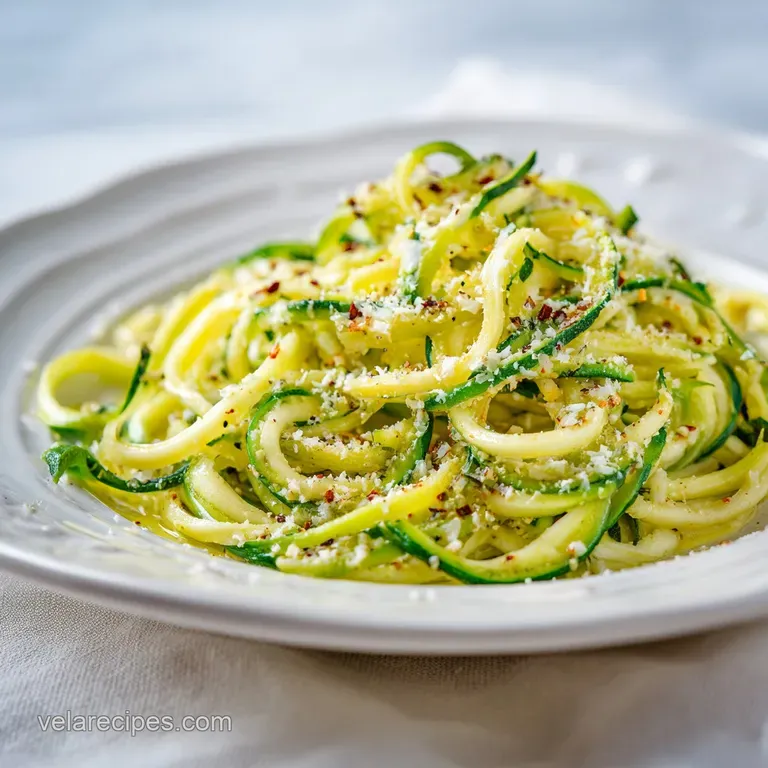
- Time:10 minutes prep + 5 minutes cook = 15 minutes total
- Flavor/Texture Hook: Silky garlic butter with a crisp tender bite
- Perfect for: The chaotic weeknight dinner rush
- How to Perfectly Cook Zucchini Noodles
- Why the Salt Treatment Matters
- Essential Recipe Performance Metrics
- Key Ingredients For Success
- Minimal Tools For This Dish
- Mastering The Five Minute Searing Method
- Fixing Common Cooking Mistakes
- Healthy Dietary Substitutions
- Storage And Quality Preservation
- Best Serving Suggestions
- Recipe FAQs
- 📝 Recipe Card
How to Perfectly Cook Zucchini Noodles
The first time I tried making zucchini noodles, it was a literal disaster. I thought I could just toss them into a pan like regular pasta and walk away. Three minutes later, I was staring at a bowl of "zoodle soup" that tasted like nothing but disappointment and watered down garlic.
My kids looked at me like I’d served them wet green string. It was one of those nights where the dinner rush felt like a losing battle, and I almost reached for the takeout menu.
But I knew there had to be a way to get that satisfying, snappy texture without the sogginess. The secret, as it turns out, isn't some fancy gadget or a "carb zucchini noodles" magic trick. It's actually just basic physics. Once I learned how to manage the water content inside the vegetable, everything changed.
Now, this is my go to "quick win" when I need a healthy meal on the table in under 20 minutes.
We are talking about strands that have a velvety coating of butter and parmesan, with a hint of lemon that cuts right through the richness. It's the kind of meal that feels light but hits that comfort food craving. If you've been burned by soggy vegetables before, trust me on this method.
We’re going to treat these noodles with the respect they deserve so they stay firm enough to twirl on a fork.
Why the Salt Treatment Matters
Understanding how these vegetables behave under heat is the key to a better dinner.
- Osmotic Extraction: Salt draws internal water to the surface of the zucchini, allowing us to remove it before cooking begins.
- Cellular Integrity: Removing excess liquid prevents the cell walls from collapsing into mush when they hit the hot oil.
- Flash Evaporation: High heat turns any remaining surface moisture into steam instantly, searing the outside rather than boiling the inside.
- Emulsion Stability: A drier noodle allows the butter and cheese to create a silky coating that actually sticks to the strands.
| Method | Total Time | Texture | Best For |
|---|---|---|---|
| Flash Sear (Fast) | 15 minutes | Crisp tender, snappy | Quick weeknight meals |
| Slow Sauté (Classic) | 25 minutes | Soft, pasta like | Heavy, thick sauces |
| Raw Toss | 10 minutes | Very crunchy | Cold summer salads |
The difference between a "quick low carb zucchini noodles" recipe and a mediocre one usually lies in those ten minutes of salting. While it feels like an extra step when you're in a hurry, it actually saves you from a soggy plate later.
Essential Recipe Performance Metrics
| Component | Science Role | Pro Secret |
|---|---|---|
| Sea Salt | Moisture Wick | Use fine grain for even coverage across all strands. |
| Garlic | Aromatic Base | Slice thinly rather than mincing to prevent burning at high heat. |
| Lemon Juice | Brightness | Adds acidity that balances the heavy fats of the butter. |
| Parmesan | Binding Agent | Freshly grated melts better than the canned stuff every time. |
Working with fresh ingredients makes a massive difference here. Since we are using so few components, each one needs to pull its weight. If you're looking for other low carb dinner ideas, this Healthy Chicken Skillet pairs beautifully with these noodles to make a full, hearty meal for the whole family.
Key Ingredients For Success
- 2 medium zucchini (approx. 450g): Look for firm, dark green skins without any soft spots. Why this? Smaller zucchini have fewer seeds and much less water content than large ones.
- 0.5 tsp sea salt: Essential for the "sweating" process.
- 15 ml extra virgin olive oil: Provides a high smoke point for the initial sear.
- 30g unsalted butter: This is where the flavor lives. Why this? Butter creates a velvety mouthfeel that olive oil alone can't achieve.
- 3 cloves fresh garlic: Sliced into thin "chips."
- 0.25 tsp red pepper flakes: Just enough to provide a tiny hum of heat.
- 25g Parmesan cheese: Freshly grated is mandatory for the emulsion.
- 5 ml fresh lemon juice: A final pop of acid to wake up the flavors.
- 0.125 tsp black pepper: For a bit of earthy spice.
- 2 tbsp fresh basil or parsley: Chiffonade (thinly sliced ribbons) for a fresh finish.
| Original Ingredient | Substitute | Why It Works |
|---|---|---|
| Unsalted Butter | Ghee | Higher smoke point and dairy-free. Note: Adds a nuttier aroma. |
| Parmesan Cheese | Nutritional Yeast | Provides a cheesy, savory hit. Note: Won't melt into a sauce as well. |
| Fresh Garlic | Garlic Confit | Milder, sweeter flavor profile. |
Minimal Tools For This Dish
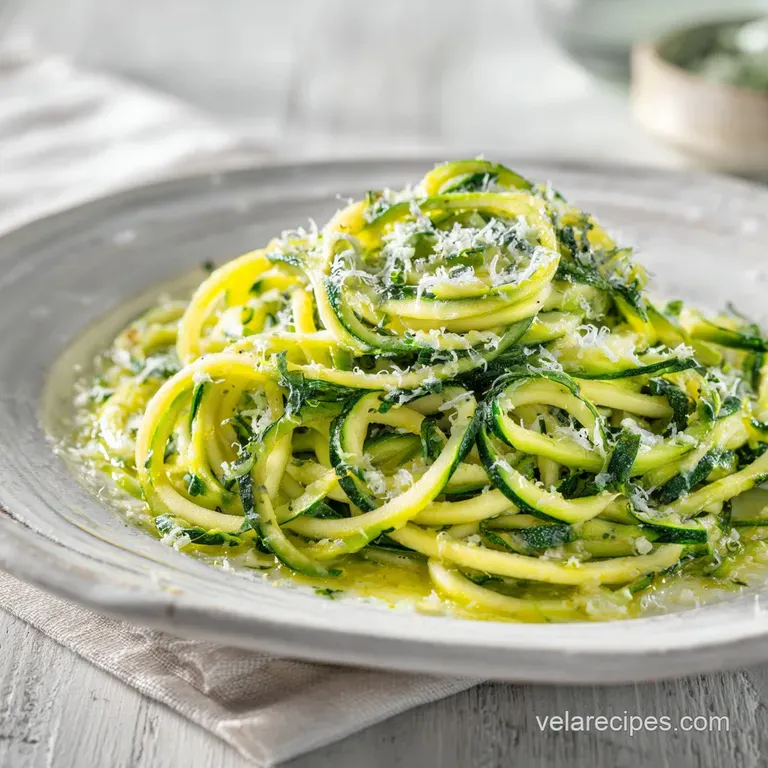
You really don't need a kitchen full of gadgets to make "low carb zucchini noodles" look like they came from a restaurant. A simple handheld spiralizer works wonders, but if you don't have one, a standard vegetable peeler can create beautiful "ribbon" noodles that cook just as well.
The most important tool in your arsenal for this specific recipe is actually a clean kitchen towel.
I prefer a large 30cm non stick skillet because it gives the noodles enough room to breathe. When you crowd a small pan with vegetables, the temperature drops and they start to steam in their own juices. We want a sear, not a sauna. If you're doubling the recipe for a bigger crowd, please work in batches.
It takes an extra five minutes, but it's the difference between "low carb zucchini noodles" that are restaurant quality and ones that stay in the bowl.
Chef's Tip: If using a vegetable peeler, stop when you reach the seedy core of the zucchini. Those seeds are basically tiny water balloons that will ruin your sauce. Save the cores for a morning smoothie or a vegetable stock.
Mastering The Five Minute Searing Method
- Spiralize the zucchini. Turn your 2 medium zucchini into medium thickness strands. Note: If they are too thin, they will dissolve into mush instantly.
- Sweat the veg. Place noodles in a colander over a bowl and sprinkle with 0.5 tsp sea salt. Let sit for 10 minutes until the zucchini looks shiny and wet.
- Dry thoroughly. Use a clean kitchen towel to gently pat the noodles dry. Note: You aren't trying to squeeze them into a pulp; just wick away the surface moisture.
- Heat the pan. Add 15 ml olive oil and 30g butter to a large skillet over medium high heat until the butter is foaming and fragrant.
- Toast the aromatics. Add the sliced garlic and red pepper flakes. Sauté for 30-60 seconds until the garlic is just golden around the edges.
- Crank the heat. Increase to high and add the zucchini noodles. Spread them out as much as possible.
- Flash sear. Cook for 2-3 minutes until the noodles are just tender but still have a distinct snap. Toss frequently with tongs.
- Create the emulsion. Remove from heat. Immediately add the 25g Parmesan, 5 ml lemon juice, and pepper.
- Toss and serve. Mix well until the cheese melts into a light, glossy sauce. Garnish with fresh herbs and eat immediately.
Fixing Common Cooking Mistakes
Even with the best intentions, things can go sideways during the dinner rush. The most common issue people face is the texture. If your noodles feel squeaky or rubbery, you likely didn't let them sit with the salt long enough. That ten minute window is non negotiable for "carb zucchini noodles" success.
Why Your Zucchini Noodles Are Watery
This is the number one complaint. If you find a pool of green liquid at the bottom of your plate, it usually means the pan wasn't hot enough. Zucchini is about 95% water. When you put it in a lukewarm pan, that water slowly leaks out.
When you put it in a smoking hot pan, the water on the surface turns to steam immediately, leaving the interior firm.
| Problem | Root Cause | Solution |
|---|---|---|
| Soggy texture | Salt step skipped | Never skip the 10 minute sweat and pat dry phase. |
| Burnt garlic | Heat too high early on | Sauté garlic on medium high, then crank to high for the zucchini. |
| Clumpy cheese | Pan still on heat | Always remove the pan from the burner before adding cheese. |
Common Mistakes Checklist
- ✓ Pat the zucchini completely dry with a lint free towel (paper towels work in a pinch).
- ✓ Ensure the butter is foaming before the garlic goes in.
- ✓ Use a pan large enough to avoid stacking the noodles more than two layers deep.
- ✓ Stop cooking the second the noodles lose their "raw" stiffness.
- ✓ Serve on a warmed plate to prevent the butter sauce from seizing up.
Healthy Dietary Substitutions
If you're following a specific lifestyle, these noodles are incredibly flexible. For a "quick low carb zucchini noodles" version that is strictly dairy-free, you can swap the butter for a high-quality avocado oil or a spoonful of tahini for creaminess.
While the flavor profile changes, the technique remains exactly the same.
Scaling this recipe is straightforward, but remember the "batch rule." If you are cooking for four people, use two pans or cook in two separate goes. If you try to jam 1 kg of zucchini into one skillet, you will end up with a boiled mess.
For the salt and spices when scaling up, I recommend only increasing them by 1.5x rather than doubling them directly, as "carb zucchini noodles" can become overly salty very quickly.
Storage And Quality Preservation
I’ll be honest with you: zucchini noodles are best eaten the second they leave the pan. Because they are so delicate, they don't hold their structural integrity well after reheating. However, if you have leftovers, they can be stored in an airtight container in the fridge for up to 2 days.
To reheat, don't use the microwave unless you want a bowl of mush. Instead, toss them back into a very hot, dry skillet for about 60 seconds just to take the chill off and evaporate any liquid that accumulated overnight.
I don't recommend freezing these; the ice crystals destroy the cell walls, and you'll be left with green paste once thawed.
Zero Waste Tip: Don't throw away that zucchini water you collected in the bowl during the salting phase! It's full of nutrients. I usually pour mine into a jar in the fridge and add it to a vegetable soup base or even use it to cook rice later in the week for the kids.
Best Serving Suggestions
These noodles are the perfect blank canvas. While the garlic butter is a classic, you can easily transform this into "creamy avocado zucchini noodles" by tossing in half a mashed avocado at the very end.
The residual heat from the pan will turn the avocado into a rich, silk like sauce that feels much more indulgent than it actually is.
If you need a bit more heft, "keto zucchini noodles with chicken" is a favorite in our house. I usually sear some chicken breast strips in the pan first, set them aside, and then cook the noodles in the leftover chicken fat.
It's a one pan wonder that saves on washing up and keeps the flavor profile consistent throughout the meal.
Debunking Zoodle Myths
One big myth is that you need to "boil" zucchini noodles like pasta. Please, never do this. Boiling adds water to a vegetable that is already struggling with hydration. Another misconception is that the skin should be peeled.
The skin contains the majority of the fiber and provides the structural "skeleton" that keeps the noodle from falling apart. Keep that green skin on! It’s better for your health and much better for the final texture of your dish. Trust the flash sear; it’s the only way to go.
Recipe FAQs
Is it true I can cook zucchini noodles directly after spiralizing without waiting?
No, this is a common misconception. You must place the strands in a colander with 1/2 tsp of sea salt for 10 minutes to draw out excess moisture, otherwise, your dish will become watery.
How to ensure the noodles stay firm and not mushy?
Flash sear the noodles over high heat for only 2-3 minutes. Tossing them frequently with tongs during this short window keeps them tender crisp rather than soft.
Can I reheat zucchini noodles in the microwave?
No, avoid the microwave at all costs. Reheating in the microwave will turn the zucchini into a bowl of mush because of the residual moisture.
How to properly store leftover zucchini noodles?
Place them in an airtight container and store in the refrigerator for up to 2 days. Remember that the texture will degrade slightly, so they are always best served immediately after cooking.
How to revive cold leftovers?
Toss the noodles into a very hot, dry skillet for about 60 seconds. This method evaporates any liquid that accumulated in the container overnight without overcooking the vegetable.
Is it safe to freeze zucchini noodles for later use?
No, do not freeze them. The structure of the zucchini breaks down during the freezing process, resulting in a poor, watery texture once thawed.
How to prevent the sliced garlic from burning during the sauté?
Watch the pan closely and sauté for only 30-60 seconds. You want the garlic to be fragrant and just turning golden; remove the pan from heat immediately if it begins to darken too quickly.
Garlic Butter Zucchini Noodles