Christmas Morning Breakfast Bake: Failure-Proof
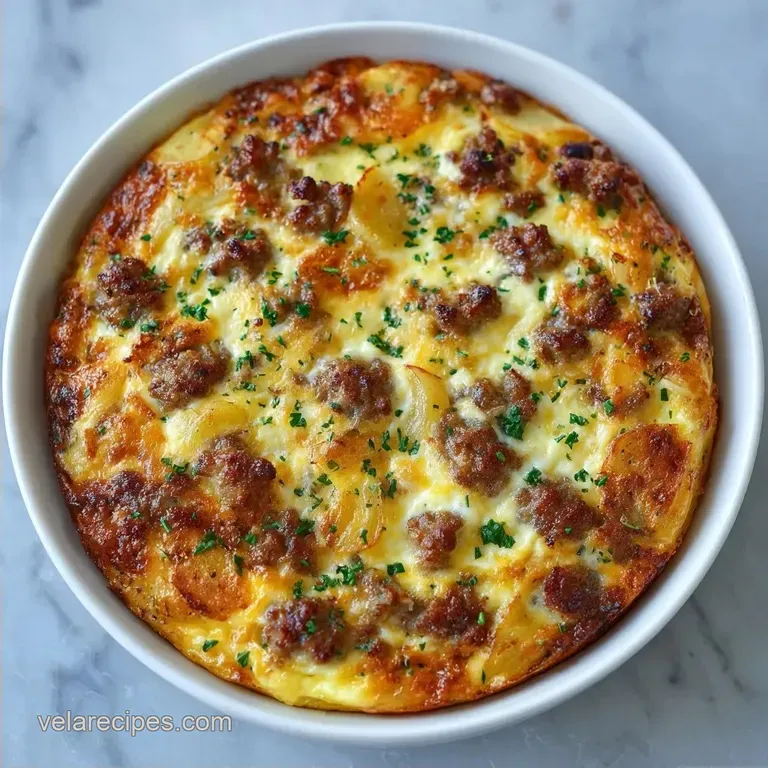
- Time: 35 min active + 8 hours Casserole resting/prep (Total 9 hours 45 mins)
- Flavor/Texture Hook: Mahogany browned sausage with crispy, golden potato edges
- Perfect for: Holiday family gatherings where you want to avoid the stove
- Christmas Morning Breakfast Bake
- The Secret to Better Texture
- Essential Ingredient Breakdown
- Tools for the Job
- The Cooking Process
- Fixing Common Mistakes
- Troubleshooting Common Issues
- Swapping Ingredients
- Adjusting the Serving Size
- Truths About Breakfast Bakes
- Storing and Freezing
- Best Side Pairings
- High in Sodium
- Recipe FAQs
- 📝 Recipe Card
That first sizzle of breakfast sausage hitting a hot skillet is, for me, the official start of the holiday. I remember one year I tried to be "fancy" and make individual omelets for ten people. It was a disaster.
I spent the entire morning hunched over the stove, sweating over the pan, while my family was in the living room laughing and opening gifts. I didn't even get to taste the coffee before it went cold.
I realized then that the best holiday food isn't the most complex, it's the kind that lets you actually be present. That's how I landed on this specific approach. By doing the heavy lifting the night before, the morning becomes effortless.
This Christmas Morning Breakfast Bake is about trading the stress of the frying pan for the ease of a single baking dish, ensuring everyone eats at the same time.
You can expect a dish that hits all the right notes: the saltiness of the sharp cheddar, the earthy punch of smoked paprika, and a base of potatoes that actually hold their shape. It's hearty, comforting, and honestly, it's the only way I'll do breakfast now.
Christmas Morning Breakfast Bake
The magic here is in the layering. Most people just throw everything in a bowl and dump it in a pan, but that leads to a "custard soup" where the potatoes sink to the bottom and get soggy. By searing the sausage and potatoes separately first, we create a structural foundation.
This method ensures that the eggs don't just steam the vegetables, but instead wrap around them in a silky, cohesive bond. It's the difference between a cafeteria scramble and a genuine brunch centerpiece. Plus, the mahogany color of the meat adds a depth of flavor you just can't get from raw ingredients.
When you pull this out of the oven, the smell of browned butter and garlic fills the house, which is basically the scent of Christmas. It's designed to be forgiving, so even if you're running a bit behind on the morning of, the bake stays stable and warm.
The Secret to Better Texture
I used to wonder why some bakes felt like wet sponges while others felt like a solid slice of heaven. It all comes down to how the liquids interact with the solids.
Starch Sealing: Sautéing hash browns first creates a crust that prevents them from soaking up too much egg. This keeps the potatoes from turning into mush.
Fat Distribution: Browning the sausage and leaving some of that rendered fat in the pan coats the onions. This carries the flavor throughout the entire dish rather than leaving it in pockets.
Protein Binding: Whisking the eggs and milk until completely homogenous ensures the proteins are evenly distributed. This prevents the "rubbery" patches often found in home baked egg dishes.
Evaporation Control: Using foil for the first 30 minutes traps steam, which cooks the eggs through without drying out the top. Removing it at the end allows the cheese to bubble and brown.
| Approach | Prep Effort | Texture | Best For |
|---|---|---|---|
| Fast Method | Low (Dump & Bake) | Soft/Custardy | Weekday brunch |
| Classic Method | Medium (Searing) | Crispy/Firm | Holiday crowds |
Essential Ingredient Breakdown
The balance of salt and fat is what makes this work. I've found that using a sharp cheddar is non negotiable because the strong flavor cuts through the richness of the whole milk and sausage.
| Ingredient | Science Role | Pro Secret |
|---|---|---|
| Frozen Hash Browns | Structural Base | Thaw completely to avoid excess water release |
| Whole Milk | Tenderizer | Don't use skim; the fat prevents the eggs from over coagulating |
| Smoked Paprika | Flavor Depth | Adds a "grilled" note without needing a barbecue |
| Sharp Cheddar | Binding/Flavor | Shred your own cheese to avoid cornstarch clumps |
Tools for the Job
You don't need a kitchen full of gadgets for this. A couple of basic pieces of gear will do the trick. I usually use a standard 12 inch skillet for the browning and a 9x13 inch ceramic or glass baking dish.
For the eggs, a large mixing bowl and a sturdy whisk are essential. I've tried using a fork, but you really want to incorporate air and ensure the salt and paprika are fully integrated. According to Serious Eats, the way you beat your eggs can significantly impact the final texture of a custard, so take your time with the whisking.
Chef Note: If you have a cast iron skillet that is oven safe, you can actually do the whole process in one pan. Just brown the meat and potatoes, pour the eggs over, and slide the whole thing into the oven.
The Cooking Process
Right then, let's get into the actual steps. The key is not to rush the browning phase.
- Brown the breakfast sausage in a large skillet over medium high heat until mahogany colored and cooked through. Remove the sausage with a slotted spoon, but keep that liquid gold (the fat) in the pan.
- Add a tablespoon of vegetable oil if the pan looks dry. Sauté the diced yellow onion and thawed hash browns until the potatoes develop crispy, golden edges. Note: This prevents the "soggy bottom" syndrome.
- In a large mixing bowl, vigorously whisk together the 10 eggs, whole milk, salt, pepper, garlic powder, and smoked paprika. Keep whisking until the mixture is completely homogenous and no streaks of egg white remain.
- Grease your 9x13 inch baking dish. Press the sautéed hash brown and onion mixture firmly into the bottom. Note: Creating a tight layer helps the slice hold its shape.
- Evenly distribute the browned sausage over the potato layer.
- Pour the egg custard slowly over the top. Use a spoon to nudge the liquid until it fills all the gaps between the sausage and potatoes.
- Cover the dish tightly with foil. Bake at 350°F (175°C) for 30 minutes.
- Remove the foil and sprinkle the shredded cheddar cheese across the surface. Bake for another 20-30 minutes until the center is set and the cheese is bubbly and browned.
- Let the dish rest for 10 minutes. This is the hardest part, but it's vital for the carryover heat to finish setting the center. Garnish with fresh parsley and sliced green onions.
Fixing Common Mistakes
Even with a plan, things can go sideways. Usually, it's a matter of moisture or heat.
Troubleshooting Common Issues
| Issue | Solution |
|---|---|
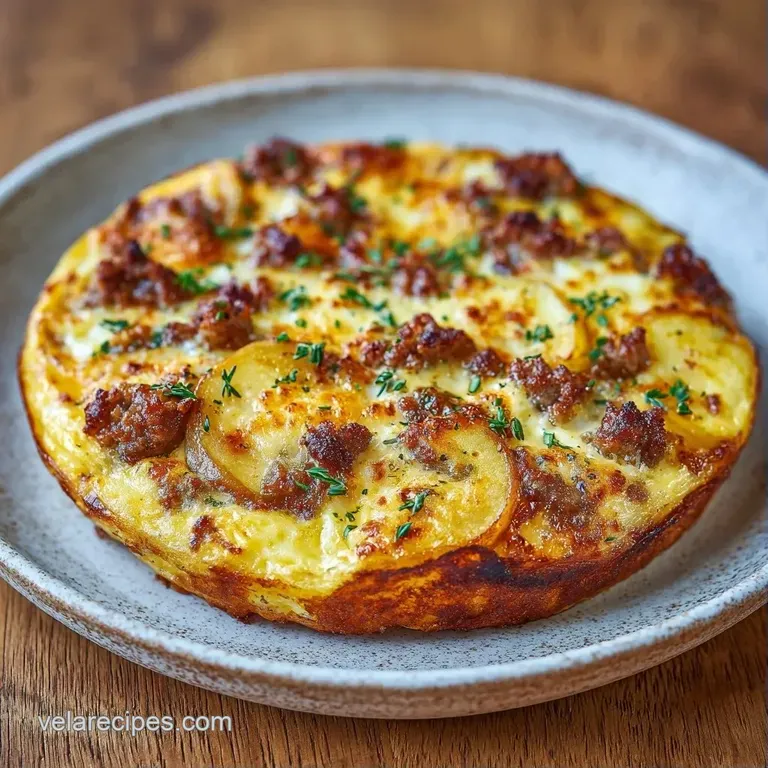
| Why Your Bake Is Too Wet | If you cut into the casserole and it feels like a soup, it's almost always due to the potatoes. Frozen hash browns hold a lot of water. |
| Why the Cheese Is Burnt | If the cheese turns dark brown before the center is set, your oven might be running hot. This often happens in convection ovens. |
| Why the Eggs are Rubbery | Over baking is the enemy here. Eggs continue to cook for several minutes after leaving the oven. |
Common Mistakes Checklist
- ✓ Thawed hash browns completely before sautéing.
- ✓ Sautéed onions until translucent to remove raw bite.
- ✓ Whisked eggs and milk until fully combined.
- ✓ Used a 9x13 dish (too large a pan makes the bake too thin).
- ✓ Let the dish rest for a full 10 minutes.
Swapping Ingredients
Depending on what you have in the fridge, you can tweak this without ruining the chemistry. If you're looking for something a bit lighter, you might enjoy a healthy egg casserole which uses similar principles but different bases.
| Original Ingredient | Substitute | Why It Works |
|---|---|---|
| Breakfast Sausage | Ground Turkey Sausage | Leaner option. Note: Add 1 tbsp oil as turkey lacks rendered fat |
| Whole Milk | Heavy Cream | Richer, more velvety. Note: Increases calorie count significantly |
| Sharp Cheddar | Pepper Jack | Adds a spicy kick. Note: Works great with the smoked paprika |
| Hash Browns | Cubed Potatoes | Chunkier texture. Note: Increase sauté time by 5-8 minutes |
But what about the dietary restrictions? If you need this to be gluten-free, you're already mostly there, just check that your sausage doesn't use flour based fillers. For a dairy-free version, almond milk works, but you'll lose some of that silky binding, so I'd recommend adding an extra egg to compensate for the lost fat.
Adjusting the Serving Size
Scaling a bake can be tricky because the volume of the pan changes how the heat penetrates the center.
Cutting the recipe in half: Use an 8x8 inch square pan. I recommend beating one egg in a small bowl and using half of it to keep the ratio exact. Reduce the baking time by about 20%, and start checking for doneness at the 20 minute mark after the foil comes off.
Doubling the recipe: Don't try to put this in one giant deep pan, or the edges will burn before the middle cooks. Instead, use two 9x13 inch dishes. When doubling, don't double the salt and paprika fully start with 1.5x the amount and taste the custard.
Liquids can usually be reduced by about 10% when doubling to prevent a soggy result.
If you find you need an even larger crowd pleaser, you might consider an overnight sausage casserole which is built for massive batches.
Truths About Breakfast Bakes
There are a few things people tell you about egg bakes that just aren't true.
Myth: Frozen potatoes are lower quality. Actually, frozen shredded potatoes are often better for bakes because they are pre blanched. This removes some of the excess surface starch, which helps them get crispier in the pan than raw grated potatoes, which can sometimes get gummy.
Myth: You should whisk eggs until they are frothy. While a little air is fine, you don't want a meringue. Too many bubbles in the custard can cause the bake to puff up in the oven and then collapse, leaving you with large air pockets and a dense bottom. A smooth, homogenous mix is the goal.
Storing and Freezing
This Christmas Morning Breakfast Bake is surprisingly resilient. If you have leftovers, store them in an airtight container in the fridge for up to 4 days.
To reheat, avoid the microwave if you want to keep the potato edges from getting soft. Instead, pop a slice in a toaster oven or a skillet with a tiny bit of butter over medium heat for 3-5 minutes. This brings back that shatter crisp texture on the outside while warming the center.
For freezing, let the bake cool completely. Slice it into individual portions and wrap each slice in parchment paper, then foil. They'll stay good for about 2 months. To reheat from frozen, bake at 325°F (160°C) for 20 minutes covered in foil, then uncover and bake for another 10 minutes.
Zero Waste Tip: If you have leftover sausage or onion scraps, don't toss them. Sauté them with a bit of kale or spinach and stir them into your weekday morning eggs for a quick flavor boost.
Best Side Pairings
Since this bake is quite rich and savory, you want sides that provide a bit of contrast. Something acidic or fresh helps cut through the cheese and sausage.
A simple arugula salad with a lemon vinaigrette is my go to. The peppery greens and citrus wake up the palate between bites of the velvety eggs. Alternatively, a bowl of fresh berries with a dollop of Greek yogurt provides a sweet, tangy balance.
If you're hosting a full blown brunch, you could pair this with some crispy bacon or a side of sourdough toast. For those who want a different flavor profile entirely, a Mediterranean egg bake offers a lighter, veg forward alternative that complements the heartiness of this sausage version.
Right then, you've got the plan. The key to a joyful holiday is doing the work early so you can enjoy the moment. Get your prep done, set your timer, and actually enjoy your Christmas morning. Trust me, the effort of searing those potatoes is worth every single bite.
High in Sodium
865 mg 865 mg of sodium per serving (38% 38% of daily value)
The American Heart Association recommends a daily limit of 2,300 mg of sodium for most adults to maintain heart health.
Tips to Reduce Sodium
-
Swap the Sausage-25%
Replace the ground breakfast sausage with low-sodium turkey sausage or use ground pork seasoned with your own salt free herbs. Processed sausages are often the largest sodium contributor.
-
Eliminate Added Salt-25%
Remove the 1 tsp of added salt completely. The sodium found in the cheese and sausage is sufficient to season the entire dish.
-
Choose Lower Sodium Cheese-15%
Use reduced sodium sharp cheddar or replace half of the cheese with Swiss cheese, which naturally contains less sodium than cheddar.
-
Use Fresh Potatoes-15%
Substitute frozen shredded hash browns with freshly grated potatoes to avoid the preservatives and salt added during frozen processing.
-
Boost Aromatics
Increase the amount of smoked paprika, garlic powder, and fresh parsley to add depth and flavor without increasing the sodium count.
Recipe FAQs
Can I make a breakfast casserole the night before?
Yes, you can prep it in advance. Simply assemble the layers and keep the dish covered in the refrigerator until you are ready to bake.
Can you leave an egg casserole out overnight?
No, this is unsafe. Perishable ingredients like eggs and milk must be refrigerated to prevent bacterial growth.
How long will a cooked egg dish keep in the refrigerator?
Up to 4 days. Keep the leftover slices in an airtight container to maintain freshness and flavor.
How do you reheat a casserole without a microwave?
Use a toaster oven or a skillet over medium heat. This method preserves the crispy edges of the potatoes and prevents the texture from becoming soft.
What pairs well with this breakfast bake?
Sweet treats provide a great balance. This savory dish pairs perfectly with my pumpkin muffins.
Is it true that frozen hash browns can be used without thawing first?
No, this is a common misconception. Using frozen potatoes releases excess water during baking, which often results in a wet or soupy consistency.
How to cook a scrambled egg casserole recipe in an oven?
Bake at 350°F (175°C) for 30 minutes covered with foil. Remove the foil, add cheddar cheese, and bake for another 20-30 minutes until the center is set.
Christmas Morning Breakfast Bake