Quick Breakfast Casserole Recipe: Sausage & Potatoes
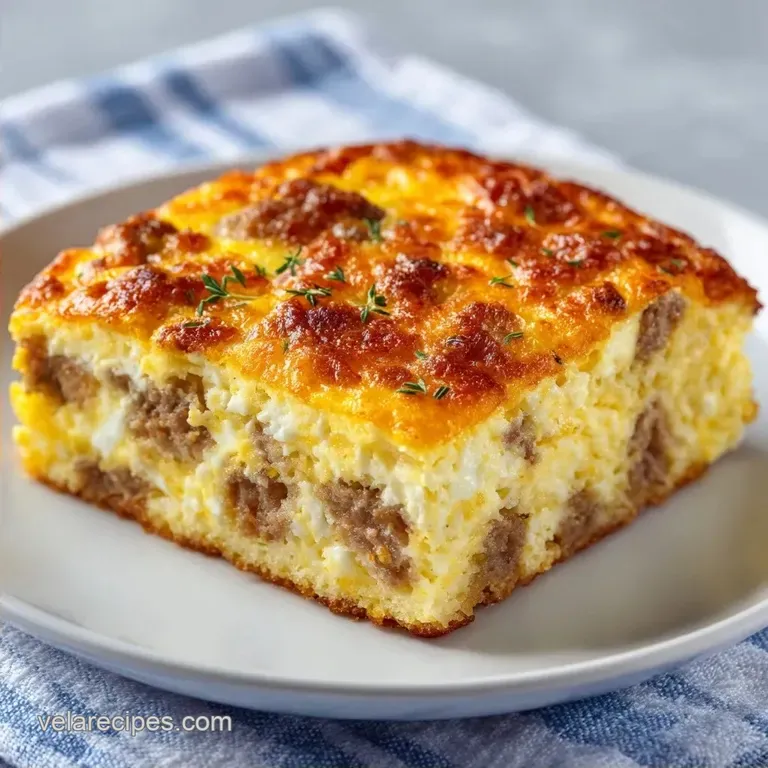
- Time: 10 min active + 60 min baking
- Flavor/Texture Hook: Golden brown potato crust with a velvety egg center
- Perfect for: Sunday brunch or feeding a hungry crowd
My Quick Breakfast Casserole Recipe
That first sizzle of ground sausage hitting hot butter is the best way to wake up a house. I remember the first time I tried to host a brunch for my extended family. I thought I had to spend the entire morning hovering over a stove, flipping individual omelets and praying the toast didn't burn.
I was exhausted before the first guest even knocked on the door.
Most people tell you that a great egg bake requires an overnight soak or some complex bread cube hydration. Honestly, that's a myth. You don't need to plan your life 24 hours in advance to get a dish that tastes like it took all day.
You just need the right ratio of fat to protein and a solid base that can handle the moisture.
This Quick Breakfast Casserole Recipe is about removing the morning stress. It's designed to be assembled in minutes and then left alone in the oven. You get those crisp, salty edges and a center that's soft but fully set, leaving you time to actually drink your coffee while it's still hot.
Why This Version Works
- Starch Barrier: Placing hash browns at the bottom creates a physical shield that prevents the eggs from sticking to the pan.
- Fat Distribution: Browning the sausage first releases oils that coat the potatoes, ensuring they fry rather than steam.
- Protein Stability: Using whole milk instead of cream keeps the custard light, preventing the dish from becoming too dense or "rubbery."
- Temperature Control: A steady 350°F (180°C) allows the heat to penetrate the center of the 9x13 pan without scorching the cheese on top.
| Method | Prep Time | Texture | Best For |
|---|---|---|---|
| Oven Bake | 10 mins | Set, golden crust | Large crowds, hands off |
| Stovetop | 20 mins | Soft, scramble like | Quick individual portions |
| Slow Cooker | 15 mins | Moist, denser | Early morning wakes |
Component Deep Dive
| Ingredient | Science Role | Pro Secret |
|---|---|---|
| Large Eggs | Structural binder | Whisk until no streaks remain for a uniform lift |
| Hash Browns | Texture base | Thaw them slightly to avoid "cold spots" in the oven |
| Sharp Cheddar | Flavor/Fat | Grate your own for a smoother melt |
| Whole Milk | Hydration | Room temperature milk prevents the eggs from curdling |
The Tool Kit
You don't need a fancy kitchen to pull this off. A standard 9x13 inch baking dish is the gold standard here because it provides the ideal surface area for the egg to potato ratio. I usually go with glass or ceramic, as they hold heat more evenly than thin metal pans.
For the prep, a large mixing bowl and a sturdy whisk are your best friends. You want to get a lot of air into those eggs. A non stick skillet is a must for the sausage, otherwise, you'll spend more time scrubbing the pan than eating brunch.
Prep to Plate Flow
First, we handle the savory bits. Heat 2 tbsp unsalted butter in a skillet over medium heat. Add 1 lb ground breakfast sausage, breaking it apart with a spatula. Cook until the meat is browned and crumbly. Drain the excess grease, but leave a tiny bit for flavor.
Now, whisk the custard. In a large bowl, beat 10 large eggs vigorously. Slowly pour in 2 cups whole milk while whisking. Stir in 1 tsp salt, 1/2 tsp black pepper, and 1/2 tsp garlic powder until the mixture is smooth.
Time to assemble. Grease your 9x13 inch baking dish. Spread 30 oz frozen shredded hash browns evenly across the bottom. Sprinkle the browned sausage over the potatoes, then top with 2 cups shredded sharp cheddar cheese.
Pour the egg mixture slowly over the layers. Make sure the liquid reaches every corner of the pan. Bake at 350°F (180°C) for 50-60 minutes until the center is set and the edges are golden brown.
Let the dish rest for 5-10 minutes. This is the hardest part, but it lets the eggs firm up so you get clean slices. Garnish with 3 stalks of thinly sliced green onions.
Fixing Common Mistakes
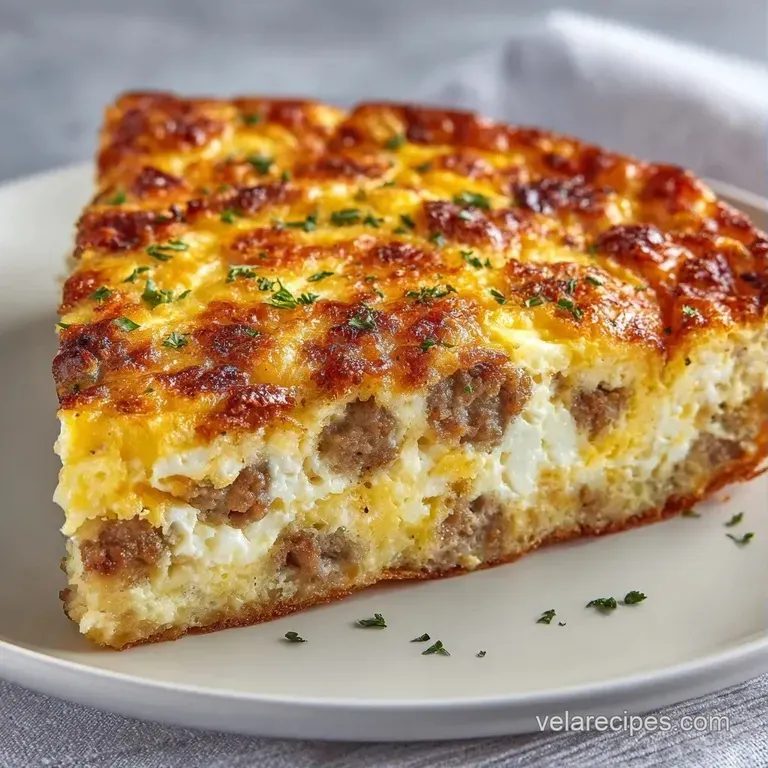
Why Your Center Stays Wet
If the middle is still jiggly after an hour, your oven might be running cool or your hash browns were too frozen. This creates a "cold core" that resists heat. If this happens, cover the edges with foil and bake for another 10 minutes.
Avoiding Rubbery Eggs
Overbeating the eggs is fine, but overcooking them is where things go wrong. If you bake the casserole until it's bone dry, the eggs will bounce. Pull it out when the center has a very slight wobble; carryover heat will finish the job.
Preventing Soggy Bottoms
Sogginess usually comes from too much moisture in the potatoes. If you're using thawed hash browns, pat them dry with a paper towel before adding them to the pan. For more ideas on texture, you might like a sausage and egg bake which uses a similar layering technique.
| Problem | Root Cause | Solution |
|---|---|---|
| Eggs separated from potatoes | Poor mixing/layering | Press potatoes down firmly before pouring |
| Burnt cheese top | Oven rack too high | Move rack to center or tent with foil |
| Bland flavor | Undersalted custard | Add a pinch more salt or use smoked paprika |
Common Mistakes Checklist:
- ✓ Did you drain the sausage grease? (Too much makes the dish oily)
- ✓ Are the hash browns spread evenly? (Prevents uneven cooking)
- ✓ Did you grease the pan? (Crucial for easy cleanup)
- ✓ Did you let it rest for 5 minutes? (Ensures clean slices)
Customizing Your Bake
If you want a lighter version, you can swap the sausage for ground turkey or lean ham. Just add a bit more garlic powder or a dash of Worcestershire sauce to make up for the lost fat. If you're looking for something even simpler, check out my easy egg breakfast casserole for a variation on this method.
For a different starch, you can use cubed sourdough or crescent roll pieces. If you go the bread route, keep in mind that bread absorbs more liquid than potatoes, so you might need an extra egg to keep the structure.
Decision Shortcut: If you want more crunch → Bake the hash browns alone for 15 mins before adding eggs. If you want more veg → Fold in diced bell peppers and spinach with the eggs. If you want it spicier → Use chorizo instead of breakfast sausage.
Scaling Your Portion
When cutting this recipe in half, use an 8x8 inch square pan. Reduce the baking time by about 20%, but still check for that center set. If you're splitting a single egg, beat it in a small cup first and use half.
For a double batch, don't just double the salt and spices; go to about 1.5x first and taste. Use two 9x13 pans rather than one deep pan. If you crowd too many ingredients into one dish, the center will never cook through before the edges burn.
Lower the oven temp to 325°F (160°C) and extend the time by 15-20 minutes for a larger, denser bake.
Busted Breakfast Beliefs
Searing the sausage doesn't "lock in juices," but it does create those brown, savory bits that make the casserole taste professional. The flavor comes from the browning, not from sealing the meat.
Another myth is that you must use heavy cream for a rich texture. Whole milk provides enough fat to keep the eggs velvety without making the dish feel heavy or greasy.
Storage and Waste Tips
This dish keeps well in the fridge for up to 4 days. Store it in an airtight container. To reheat, I recommend the oven or toaster oven at 300°F (150°C) to keep the edges from getting rubbery, though a microwave works in a pinch.
For freezing, slice the casserole into portions first. Wrap each slice in parchment paper and foil. It'll stay good for 2 months. Thaw overnight in the fridge before reheating.
To avoid waste, save your green onion ends. Toss them in a freezer bag and use them later to make a quick vegetable stock. If you have leftover sausage, it's great mixed into a weekday omelet.
Plating Your Dish
Since this is a Quick Breakfast Casserole Recipe, keep the presentation effortless. Instead of perfectly square blocks, serve generous, rustic scoops. The contrast of the golden cheese and the bright green onions makes it look great without any effort.
Serve it with a side of fresh berries or sliced avocado to cut through the richness of the cheese and sausage. A drizzle of hot sauce or a dollop of sour cream on top adds a nice tang that balances the salty potatoes.
If you're serving it for a formal brunch, place the slices on a warm platter and garnish with a few sprigs of fresh parsley.
Recipe FAQs
Can I make a breakfast casserole the night before?
Yes, this is an excellent meal prep strategy. Assemble the ingredients in your baking dish and refrigerate them overnight. If you enjoy this style of planning, our overnight sausage version uses similar logic for a stress free morning.
How to cook a scrambled egg casserole in the oven?
Preheat your oven to 350°F (175°C). Pour the whisked egg and milk mixture over your layered sausage, potatoes, and cheese in a 9x13 inch dish, then bake for 50-60 minutes until the center is set.
Is it true that hash browns must be fried before adding them to the casserole?
No, this is a common misconception. Thawed frozen shredded hash browns work perfectly and cook through during the 50-60 minute baking process.
What are some common mistakes to avoid when making breakfast casseroles?
Avoid overbaking the eggs. Pull the dish from the oven as soon as the center is set to prevent the texture from becoming rubbery.
How to reheat leftovers without them becoming rubbery?
Use an oven or toaster oven set to 300°F (150°C). This gentle heat warms the casserole evenly without overcooking the eggs.
What is the best baking dish to use for this recipe?
A 9x13 inch baking dish is ideal. This size ensures the layers of sausage and hash browns spread evenly and the eggs cook consistently.
How to ensure the eggs don't separate from the milk?
Whisk the eggs vigorously before slowly pouring in the milk. Continuing to whisk as you add the liquid creates a smooth, stable base.
Quick Breakfast Casserole