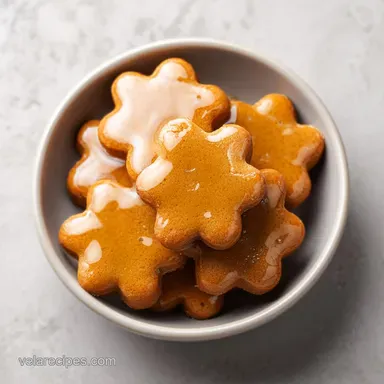
Yakgwa: Traditional Korean Honey Cookies
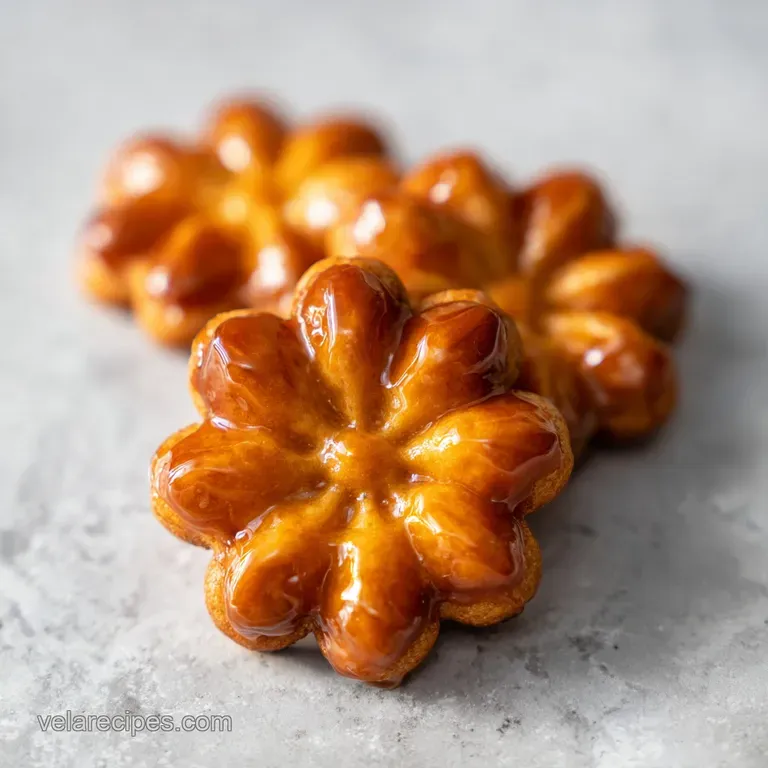
- Time: 80 min active + 1 hour chilling + 2 hour soaking = Total 2 hours 50 mins
- Flavor/Texture Hook: Velvety, mahogany dark exterior with a dense, syrup soaked center
- Perfect for: Traditional holidays, impressive dessert platters, or a tea time treat
The smell of toasted sesame oil hitting a hot pan is something you never forget. It's nutty, warm, and honestly, a bit intoxicating. I remember the first time I tried making these for a friend who grew up in Seoul, and I completely ignored the chilling step because I was too excited. The result?
My cookies basically absorbed the frying oil like little sponges, and they were way too greasy to even touch. I felt terrible, but it taught me that with traditional sweets, the "boring" steps are actually the most important.
Since then, I've learned that the real magic isn't just in the frying, it's in the soak. There is a specific moment when the hot cookie hits the cool syrup and you can almost hear it drinking up the honey.
It transforms from a simple fried dough into these dense, velvety treasures that shatter slightly on the outside before giving way to a moist, honey rich middle. If you've ever had a store-bought version, forget it. Making yakgwa korean honey cookies at home is a totally different experience.
You can expect a process that feels more like an experiment in patience than a quick bake. We aren't looking for a fluffy cookie here. We want something substantial, aromatic, and deeply saturated. It's a process of layering fats and sugars, then using a honey bath to lock everything in.
Trust me, the wait for the syrup to soak in is the hardest part, but it's where the flavor actually happens.
Yakgwa korean honey cookies
Most people think the secret to these cookies is just the honey, but it's actually the fat. Using both melted butter and toasted sesame oil creates a specific kind of richness that you can't get from just one or the other.
When these fats hit the heat, they create a structure that allows the syrup to penetrate without making the cookie fall apart. It's all about that balance of oil and sugar.
The second secret is the soju. It might seem like a weird addition, but the alcohol helps prevent the gluten from developing too much. Since we want a dense, tender crumb rather than a chewy, bread like texture, the soju keeps the dough soft.
If you skip it, you might end up with something that feels more like a fried doughnut than a traditional honey cookie.
Finally,, don't rush the syrup. The "jipcheong" (the syrup soak) needs to be at room temperature when the cookies go in. If the syrup is too hot, the cookies will dissolve; if it's too cold, they won't absorb enough. Getting that temperature right is what separates a mediocre cookie from a spectacular one.
Quick Comparison: Fast vs. Classic
| Feature | Fast Method (Baked) | Classic Method (Fried) | Impact |
|---|---|---|---|
| Texture | Cake like, lighter | Dense, velvety, fudgy | Huge difference in mouthfeel |
| Flavor | Mild honey notes | Deep, toasted, caramelized | Classic is much richer |
| Effort | Lower (one pan) | Higher (frying + soaking) | Classic takes more patience |
The Secret Behind the Texture
Fat Saturation: The combination of sesame oil and butter creates a "short" dough, meaning the fats coat the flour proteins and prevent long gluten strands from forming. This ensures the cookie stays tender and doesn't become tough.
Syrup Osmosis: Because the cookies are fried at a lower temperature, they retain small air pockets. When dipped in the syrup, the honey replaces the air and some of the surface oil through a process of absorption.
Alcohol Volatilization: The soju evaporates quickly during frying, leaving behind tiny voids that act as channels for the honey syrup to travel deep into the center.
Ginger Stabilization: Adding ginger to the syrup helps cut through the heavy sugar and fat, providing a sharp contrast that prevents the sweetness from feeling cloying.
Breaking Down the Components
| Ingredient | Science Role | Pro Secret |
|---|---|---|
| Toasted Sesame Oil | Flavor Base & Tenderness | Use a dark roasted oil for a more intense nuttiness |
| Soju | Gluten Inhibitor | Prevents the dough from becoming "bread like" |
| Korean Rice Syrup | Viscosity & Shine | Gives the cookies that signature glossy, mirror like finish |
| Ground Ginger | Flavor Balance | Works with the syrup to prevent lipid oxidation ^ Ah lee, Kyung (2019). "Effects of jupcheong (soaking in syrup) with ginger powder on the lipid oxidation and antioxida..." |
Tools for the Job
You don't need a professional kitchen, but a few specific tools make this foolproof. A heavy bottomed saucepan is non negotiable for the syrup so it doesn't burn. For the frying, a deep skillet or a pot works best, but you'll need a reliable thermometer.
If you guess the oil temperature, you'll either end up with raw centers or burnt edges.
I also highly recommend a wire cooling rack and a wide, shallow container for the soaking process. You want the cookies to be submerged in a single layer so they all soak evenly. If you pile them up, the ones on the bottom will get mushy while the ones on top stay dry.
Making Your Honey Cookies
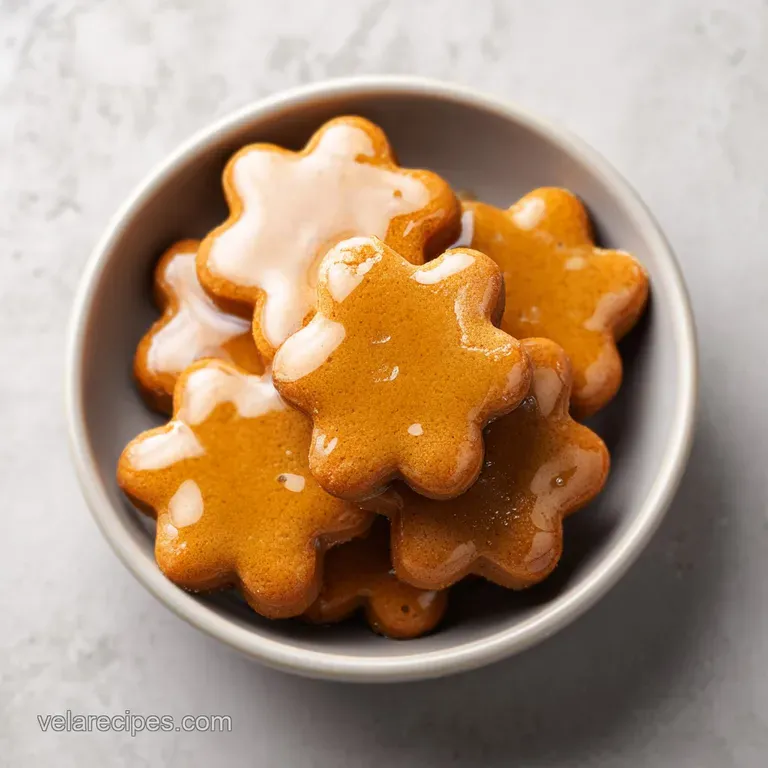
For the Ginger Honey Syrup (Jipcheong)
- Combine 1/2 cup (170g) honey, 1/2 cup (120ml) Korean rice syrup, 1/4 cup (60ml) water, 1 tsp (2g) ground ginger, and 1 cinnamon stick in a saucepan.
- Simmer over medium heat for 5-8 mins until the liquid slightly thickens and smells fragrant. Note: Don't let it boil vigorously or it will become too thick.
- Remove from heat and let it cool completely to room temperature.
Crafting the Dough
- Whisk together 1/2 cup (115g) melted unsalted butter, 1/4 cup (60ml) toasted sesame oil, and 3 tbsp (42g) honey.
- Sift in 2 cups (250g) all purpose flour, 2 tbsp (16g) cinnamon powder, and 1/4 tsp (1.5g) salt.
- Fold in 2 tbsp (30ml) soju. Mix until a soft dough forms, but stop as soon as it comes together. Note: Overmixing creates tough cookies.
- Wrap the dough in plastic and chill for 1 hour.
Precision Frying
- Roll the chilled dough to 1/2 inch (1.3cm) thickness on a lightly floured surface.
- Cut into shapes using a mold or knife.
- Heat oil to 320°F (160°C). Fry the cookies in batches until they reach a deep golden brown mahogany color. Note: Keep the temp steady; if it drops, they'll be too oily.
The Honey Bath
- Immediately transfer the hot cookies into the cooled ginger honey syrup.
- Let them soak for at least 2 hours or overnight in the fridge.
Chef's Tip: To get that professional shine, gently flip the cookies in the syrup every 30 minutes for the first hour of soaking. Also, if you're making these for a party, try adding a pinch of espresso powder to the dough to deepen the cinnamon notes.
Solving Common Cookie Issues
If your cookies aren't turning out right, it's usually a temperature issue. The most common complaint is a "greasy" feel. This happens when the oil isn't hot enough, meaning the dough absorbs the oil instead of searing the outside.
Troubleshooting Common Issues
| Issue | Solution |
|---|---|
| Why Your Cookies Are Greasy | If the oil temperature drops below 300°F, the exterior doesn't set quickly enough. This allows the oil to penetrate the core of the cookie. Always fry in small batches to keep the temperature stable. |
| Why Your Cookies Are Dry Inside | This is usually caused by frying at too high a temperature. The outside browns and looks done, but the heat never reached the center. Use a thermometer to stay exactly at 320°F. |
| Why Your Syrup Is Crystallizing | If you stir the syrup too much while it's simmering, you can introduce air and cause sugar crystals to form. Let it simmer gently and avoid constant stirring. |
Common Mistakes Checklist
- ✓ Never skip the 1 hour dough chill.
- ✓ Always use a thermometer for the frying oil.
- ✓ Don't overwork the dough after adding flour.
- ✓ Ensure the cookies are hot when they enter the syrup.
- ✓ Use a wide container for soaking to avoid crowding.
Fresh Twists and Swaps
If you don't have all the traditional ingredients, you can still make a great batch of these. While Korean rice syrup is ideal for that glossy finish, you can use a light corn syrup or maple syrup, though it will change the flavor slightly. If you're craving something different, these pair beautifully with other sweets. For instance, if you're serving a dessert platter, these complement Caramel Apple Cookies because the ginger cuts through the heavy caramel.
| Original Ingredient | Substitute | Why It Works |
|---|---|---|
| Korean Rice Syrup | Light Corn Syrup | Similar viscosity. Note: Lacks the subtle fermented grain flavor |
| Soju | Vodka or Dry Sherry | Inhibits gluten. Note: Sherry adds a slightly nutty wine note |
| All purpose Flour | Spelt Flour | Similar protein. Note: Results in a slightly nuttier, denser crumb |
For a more modern take, you can try a "Chocolate Yakgwa" by replacing 2 tablespoons of flour with cocoa powder. If you like a bit of crunch, press some toasted sesame seeds onto the top of the cookies right before they go into the syrup. If you love honey based treats, you might also enjoy these Chocolate Chip Cookies for a more classic buttery vibe.
Making it Fit Your Needs
- If you want a lighter texture: Reduce the sesame oil by 1 tablespoon and increase the soju by 1 tablespoon.
- If you want a deeper flavor: Steep a piece of orange peel in the syrup along with the cinnamon stick.
- If you want a faster result: Use a baked version at 350°F (180°C) for 12-15 mins, though you'll lose the mahogany crust.
Storage and Zero Waste
Store your finished yakgwa korean honey cookies in an airtight container in the fridge for up to 2 weeks. They actually get better after a day or two as the syrup fully penetrates the core. If you prefer a firmer texture, keep them chilled. For longer storage, they freeze surprisingly well for up to 2 months.
Just thaw them at room temperature for an hour before serving.
To reheat, avoid the microwave as it can make the honey too runny and the cookie soggy. Instead, pop them in a 300°F (150°C) oven for about 3-5 minutes. This brings back that slight outer crispness while keeping the center velvety.
Don't throw away the leftover soaking syrup! It's basically a ginger honey glaze. You can drizzle it over pancakes, stir it into oatmeal, or even use it as a glaze for roasted carrots.
If you have a bit of dough left over, roll it into tiny balls and fry them for "honey pops" to snack on while you wait for the main batch to soak.
Pairing Ideas
Since these cookies are incredibly rich and sweet, you need something to balance the palate. A strong, bitter tea is the traditional choice. A hot cup of green tea or a dark Oolong works perfectly because the tannins cut through the sesame oil and honey.
If you're looking for a beverage pairing for a party, try a cold ginger ale or a sparkling pear cider. The carbonation and acidity provide a refreshing contrast to the dense, fudgy texture of the cookies.
Presentation Levels
| Level | Style | Key Tweak |
|---|---|---|
| Simple | Homey | Stacked on a ceramic plate with a tea cup |
| Polished | Gift ready | Placed in small parchment cups with a mint leaf |
| Restaurant | Professional | Placed on a slate board, drizzled with extra syrup, and topped with a single toasted sesame seed |
Recipe FAQs
What is Korean yakgwa made of?
Flour, honey, sesame oil, and rice syrup. These ingredients are formed into a dough, deep fried, and then soaked in a ginger honey syrup.
Is yakgwa healthy to eat?
No, these are indulgent treats. Each cookie contains 212 kcal and is high in sugar and fats from the honey and frying process.
How to eat Korean yakgwa cookies?
Serve them at room temperature or chilled. Pair them with a cup of tea or coffee to balance the intense sweetness of the syrup.
What are the most famous Korean cookies?
Yakgwa is one of the most iconic. These traditional deep fried honey cookies are staples during Korean holidays and celebrations.
Why are my yakgwa cookies greasy?
The oil temperature dropped below 300°F. This allows oil to penetrate the core instead of searing the exterior; fry in smaller batches to maintain a stable 320°F.
How to store yakgwa to keep them fresh?
Place them in an airtight container in the fridge. They stay fresh for up to 2 weeks or can be frozen for up to 2 months.
Is it true that yakgwa should be eaten immediately after frying?
No, this is a common misconception. They must soak in the ginger honey syrup for at least 2 hours or overnight to allow the syrup to penetrate the core.
Yakgwa Korean Honey Cookies