Chewy Korean Rice Cakes with Honey
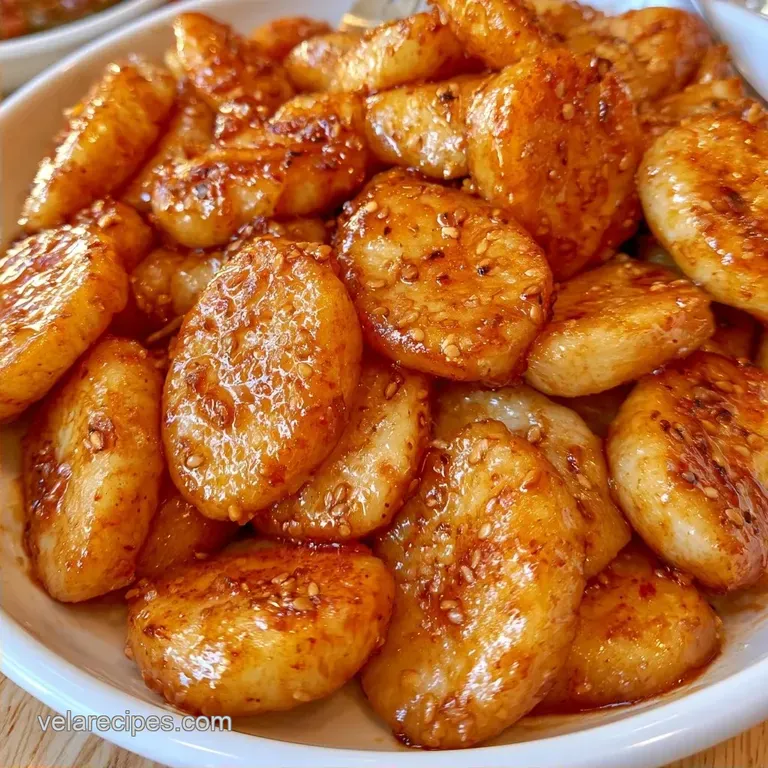
- Time: 30 min active + 15 min steaming
- Flavor/Texture Hook: Chewy, bouncy skin with a warm honey sesame burst
- Perfect for: Tea time, holiday dessert platters, or beginner friendly Korean baking
That rhythmic hiss of the steamer and the smell of toasted sesame filling the kitchen always takes me back. In Korea, honey cakes, or ggultteok, are more than just a snack. They're celebratory. You'll often see them at weddings or first birthday parties because the honey symbolizes a sweet, prosperous life.
I used to think these were too tricky to make because I kept getting a dough that felt like glue. The trick isn't in the ingredients, but in the temperature of the water. When you hit that sweet spot, the flour transforms from a powdery mess into something that feels like a soft earlobe.
These Korean Rice Cakes with Honey aren't overly sugary. The honey stays tucked inside, so you get a hit of natural sweetness only when you bite into the center. It's a great way to introduce friends to Korean desserts without overwhelming them with sugar.
Making Korean Rice Cakes with Honey
Boiling Water: High heat partially cooks the starch in the rice flour. This makes the dough stretchy and pliable instead of sticky.
Honey Viscosity: Warming the honey slightly makes it easier to spoon into the dough. It stays fluid enough to flow but thick enough not to leak during steaming.
Serious Eats' testing on glutinous rice suggests that the "tangzhong" or hot water method is the only way to get a consistent, non gritty texture. This process is very similar to what I use for homemade rice cakes, just with a sweet filling.
Tools You'll Need
No specialized equipment is required. A basic bamboo steamer or metal steamer basket works well. If you lack either, a colander balanced over a pot of simmering water can be used instead.
Use a wooden spoon for the initial mixing phase. It's best to avoid using your hands at first since the boiling water is very hot. You will also need parchment paper to prevent the cakes from sticking to the steamer and tearing.
The Essential Ingredients
Glutinous rice flour is the backbone here. It's different from regular rice flour. You need the "sweet" or "glutinous" kind to get that bounce. If you use standard rice flour, you'll end up with something hard and crumbly.
Honey provides the sweetness and the liquid gold center. I prefer a wildflower or clover honey for a mild taste. Toasted white sesame seeds add a nutty depth that cuts through the sugar.
The Basic Specs
Before you start, make sure your water is at a full boil. If the water has cooled down, the flour won't gelatinize, and your dough will be too sticky to roll.
| Original Ingredient | Substitute | Why It Works |
|---|---|---|
| Honey (85g) | Maple Syrup (85g) | Similar viscosity. Note: Tastes more like autumn, less floral |
| Glutinous Rice Flour | Mochi Flour | Almost identical composition. Works perfectly |
| White Sesame Seeds | Black Sesame Seeds | Same flavor profile. Note: Makes the filling look darker |
You can adjust the results based on your preference.
| Goal | What to change |
|---|---|
| Chewier | Knead 2 more mins |
| Sweeter | Add 1 tbsp honey |
| Smaller | Use 1 tsp dough |
Step-by-step Cooking Guide
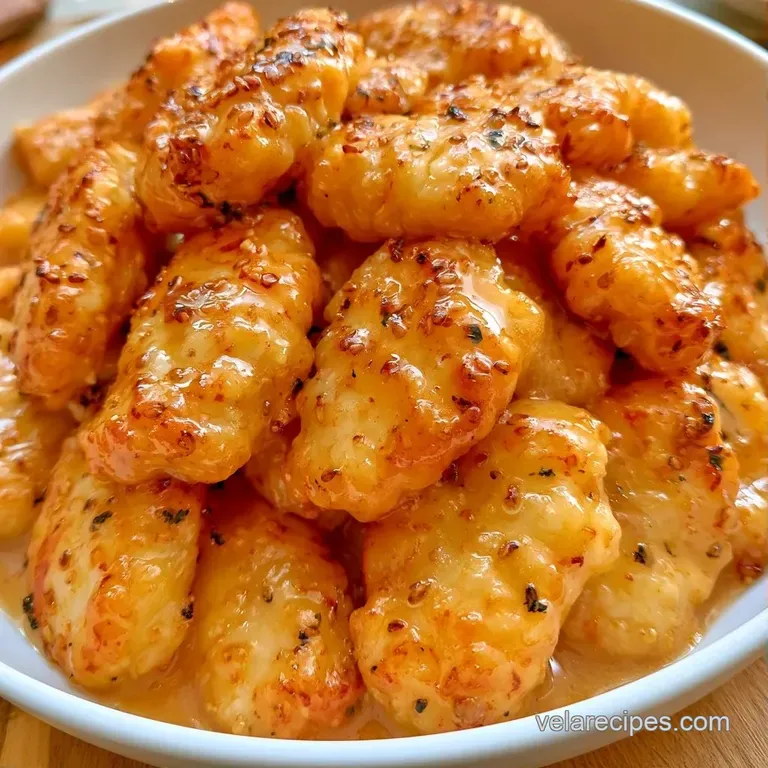
Crafting the Dough
- Mix 240g glutinous rice flour and 1.5g fine sea salt in a bowl.
- Pour in 180ml boiling water slowly while stirring with a wooden spoon. Note: Stir until a shaggy dough forms.
- Let the dough rest for 2 minutes. Wait until the steam subsides so you don't burn your hands.
- Knead the dough by hand for 5 minutes. Stop when the surface looks matte and feels smooth like a soft marshmallow.
Preparing the Filling
- Put 85g honey and 18g toasted sesame seeds in a small pan over very low heat.
- Stir gently for 2 minutes until the honey is fluid and glossy.
- Remove from heat and let it cool for a few minutes. It should be pourable but not watery.
Shaping and Steaming
- Pinch off a 1 tbsp piece of dough and roll it into a ball.
- Press your thumb into the center to make a small well.
- Spoon a small amount of honey mixture into the hole and pinch the dough shut. Smooth the seams with your finger to prevent leaks.
- Place cakes on parchment lined trays with 1 inch of space between them.
- Steam for 15 minutes until the cakes look translucent and bouncy.
Fixing Common Issues
If your dough feels like it's fighting you, don't panic. Most issues come down to the water to flour ratio. If it's too wet, it's an easy fix with a bit more flour.
When the honey leaks, it usually means the seal wasn't tight enough or the filling was too hot when it went in. Make sure you pinch the dough firmly and smooth it over.
If the cakes harden, it's usually because they were oversteamed or left out in the open air. Glutinous rice dries out quickly once the moisture evaporates.
Dough Too Sticky
This happens if the water was too cold or you added too much. Sprinkle in a teaspoon of rice flour and keep kneading.
Honey Leaks
Usually a sealing issue. Ensure the "well" isn't too deep and the pinch is tight.
Cakes Hardened
This is a storage issue. Keep them covered to retain moisture.
| Problem | Fix |
|---|---|
| Sticky Dough | Add 1 tbsp rice flour |
| Leaking Center | Seal seams more firmly |
| Hard Texture | Re steam for 2 mins |
Storing Your Treats
These are best eaten fresh, but you can keep them in an airtight container for 2 days. Keep them at room temperature. Putting them in the fridge will make the rice starch crystallize, which turns the cakes hard and rubbery.
For longer storage, you can freeze them for up to 1 month. Place them on a tray first to freeze individually, then move them to a freezer bag.
To bring them back to life, don't use a microwave, as that can make them too mushy. Steam them again for 2 to 3 minutes. This restores the bouncy texture and melts the honey center again.
If you have leftover honey sesame mixture, stir it into some oatmeal or drizzle it over yogurt. It's too good to throw away.
Trying New Flavors
Once you've got the hang of the base, you can play with the colors. Stir 1 teaspoon of matcha powder into the flour for a green tea version. This adds a nice bitterness that balances the honey.
For a deeper flavor, swap the white sesame seeds for black sesame. It gives the filling a toasted, almost chocolatey vibe. If you're looking for something savory to balance the sweet, try making a Korean rice cake stirfry for your main meal.
If you want a vegan option, maple syrup works as a direct replacement for honey. It changes the flavor to something more like pancakes, but the texture remains the same. You can also add a tiny pinch of cinnamon to the honey mixture for a warmer, spiced flavor.
Serving Suggestions
Serve these on a wooden platter or a ceramic dish to keep the aesthetic clean. Since they're quite rich, they pair well with a cup of hot green tea or a light oolong. The tannins in the tea help cleanse the palate after the honey.
If you're serving these at a party, keep them on a warmed platter. You can do this by placing the plate over a pot of simmering water for a few minutes before plating.
For a little extra flair, roll the finished, steamed cakes in a light dusting of toasted soybean powder (kinako). It adds a nutty, toasted scent that complements the honey and sesame perfectly. Just make sure to do this while they're still warm so the powder sticks.
Recipe FAQs
Can I use maple syrup instead of honey?
Yes, maple syrup works well. It provides a similar liquid sweetness, though the flavor profile will shift from floral to woody.
What are these sweet rice cakes called?
They are generally known as tteok. While tteokbokki refers to the spicy stir fried dish, these honey filled versions are a traditional sweet treat.
Is it true that all Korean rice cakes are unhealthy?
Actually, no. While these contain honey, they are made with simple, whole ingredients like glutinous rice flour and toasted sesame seeds.
Where is the best place to store leftovers?
Keep them in an airtight container at room temperature. Refrigeration causes the rice starch to crystallize, which turns the cakes hard and rubbery.
How do you make the dough?
Combine glutinous rice flour and salt, then slowly pour in boiling water. Stir with a wooden spoon until a shaggy dough forms, then knead by hand for 5 minutes until smooth.
Which additions improve the flavor?
Toast the sesame seeds to intensify the nutty aroma. If you enjoyed the honey based sweetness here, see how the same flavor profile works in golden honey cookies.
Korean Rice Cakes With Honey